Addiction is a complex but treatable condition that affects millions of individuals and families worldwide. At Dove International Wellness Centre, we provide comprehensive, evidence-based support for people struggling with both behavioral (process) addictions and substance use disorders in Kenya. Understanding how addiction works is the first step toward recovery.
What Is Addiction?
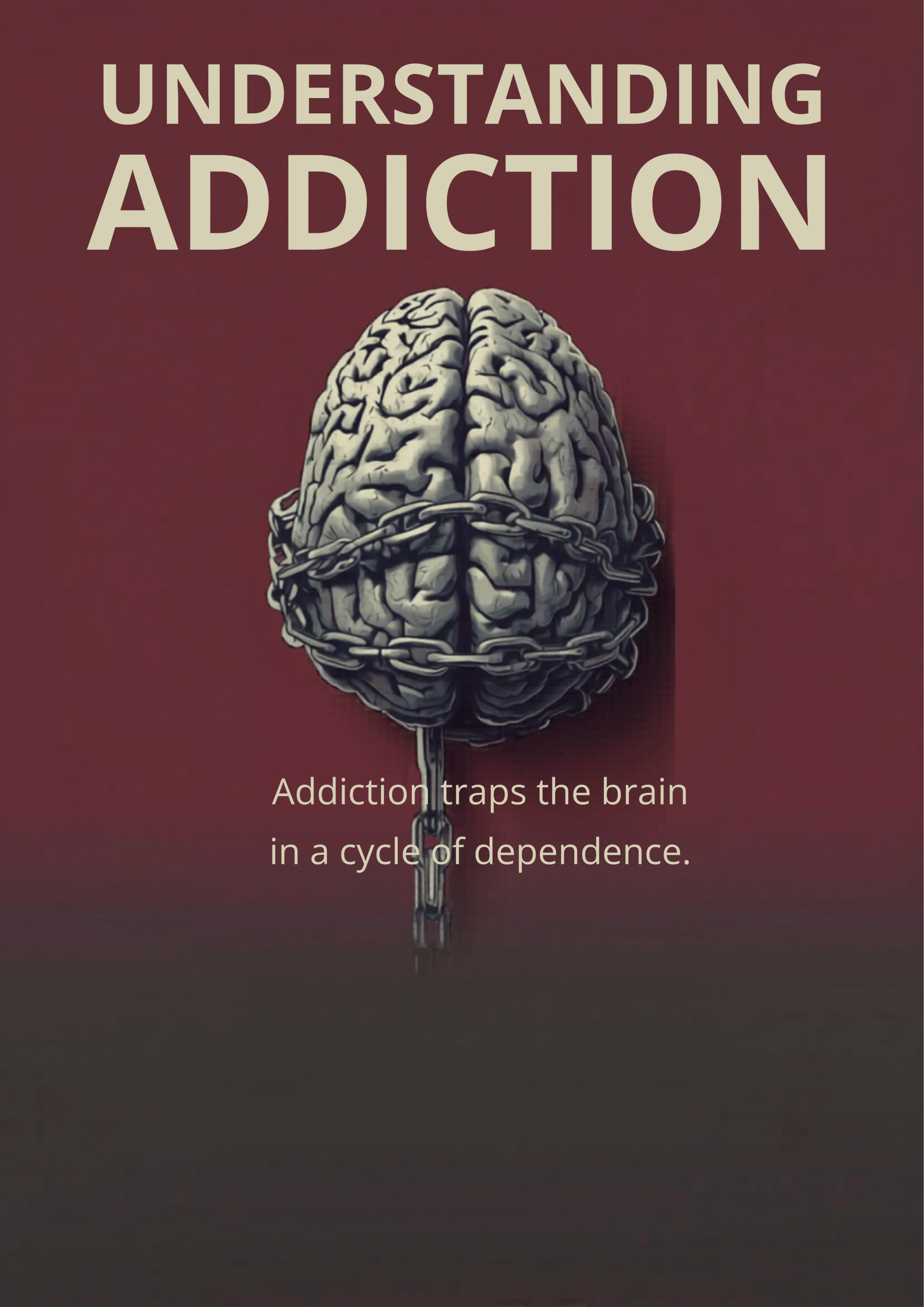
According to the World Health Organization, addiction is a chronic, relapsing brain disease. It affects how the brain functions and alters behavior in ways that can be harmful. A person living with addiction may feel unable to stop using a substance or engaging in a compulsive behavior—such as gambling, shopping, gaming, or excessive internet use—even when it causes emotional, financial, social, or physical harm.
Broadly, addiction falls into two main categories:
- Process (Behavioral) Addictions
- Substance Use Disorders (Drug and Alcohol Addiction)
The Science of Addiction
Addiction is deeply connected to the brain’s reward system. When a person uses drugs, alcohol, or engages in pleasurable behaviors, the brain releases a neurotransmitter called dopamine. Dopamine is responsible for feelings of pleasure and reward.
Repeated stimulation of this system causes an overproduction of dopamine in the brain’s limbic system, leading to euphoria. Over time, this imbalance disrupts areas responsible for judgment, impulse control, and decision-making—especially the prefrontal cortex. This is why addiction is not simply a “lack of willpower,” but a medical and psychological condition that requires professional intervention.
At Dove International Wellness Centre, we integrate neuroscience-informed therapy approaches to help restore balance and build healthier coping strategies.
Process Addictions (Behavioral Addictions)
Process addiction refers to compulsive behaviors that trigger the brain’s reward system without involving substances. These behaviors become difficult to control and may continue despite serious consequences.
Common behavioral addictions include:
- Gambling
- Food addiction
- Gaming
- Smartphone addiction
- Sex or pornography addiction
- Exercise addiction
- Shopping addiction
- Work addiction
- Internet addiction
Although no substance is consumed, the psychological and social consequences can be just as severe as drug addiction. Individuals may experience stress, isolation, guilt, relationship conflict, and impaired daily functioning.
Signs and Symptoms of Behavioral Addiction
While each behavioral addiction has unique features, common warning signs include:
- Salience – The activity dominates daily life.
- Euphoria – A “high” or emotional rush when engaging in the behavior.
- Tolerance – Increasing time or intensity is needed to achieve the same effect.
- Withdrawal – Irritability, anxiety, or distress when stopping.
- Conflict – Relationship, work, or school problems.
- Relapse – Returning to the behavior despite attempts to stop.
Gambling Disorder and Football Betting
Gambling beyond Control
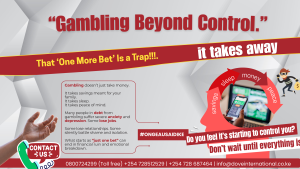
Gambling disorder is one of the most common behavioral addictions. Diagnostic criteria include repeated unsuccessful efforts to stop gambling, chasing losses, lying about gambling behavior, and experiencing financial or relationship harm.
Football betting is particularly widespread due to the global popularity of football. With an estimated 3.5 billion fans worldwide and over 265 million active players, football is the most followed sport globally. In sports betting trends, football accounts for over 76% of betting preferences, making it highly accessible and socially normalized.
In Kenya and across Africa, the rapid growth of online betting platforms has increased the risk of gambling addiction among youth and young adults. At Dove International Wellness Centre, we provide specialized counseling and psychoeducation for gambling and betting addiction recovery.
Substance Use Disorders (Drug and Alcohol Addiction)
A substance use disorder is characterized by cognitive, behavioral, and physiological symptoms indicating continued substance use despite harmful consequences. Drug addiction involves psychological, physical, and social dependence on substances such as alcohol, cannabis, heroin, cocaine, or prescription medications.
Addiction can become life-threatening if untreated. It often leads to depression, isolation, financial hardship, anxiety, legal issues, and severe health complications.
Commonly Used Substances
- Cannabis (Marijuana)
- Alcohol
- Heroin
- Cocaine
- Tobacco
- Khat (Miraa/Muguka)
- Codeine
- Benzodiazepines (prescription medications)
- Designer drugs (e.g., fentanyl, MDMA)
Khat (Miraa/Muguka) and Its Effects
4
Khat (Catha edulis) is a flowering evergreen shrub native to East Africa and the Arabian Peninsula. It is commonly chewed for its stimulant effects. Its active ingredients, cathine and cathinone, produce effects similar to stimulants such as cocaine and amphetamines.
Common street names include Abyssinian Tea, African Salad, Chat, Kat, Gomba, and Jaba.
Immediate Effects of Khat Use
- Increased alertness and concentration
- Euphoria and talkativeness
- Elevated heart rate and blood pressure
- Insomnia
- Suppressed appetite
- Mania or psychosis (in heavy use)
- Anxiety and thought disturbances
Long-term use can contribute to dependence, mood instability, and mental health disorders.
The Five Stages of Addiction
Addiction often develops progressively:
- Experimental Stage – Curiosity, peer pressure, thrill-seeking.
- Social Stage – Use for acceptance; person remains functional.
- Instrumental Stage – Substance used to manage emotions or behavior.
- Habitual Stage – Dependence symptoms emerge; lifestyle revolves around use.
- Compulsive Stage – Loss of control; substance dominates thoughts and life.
Understanding these stages allows early intervention before addiction becomes severe.
Addiction Treatment and Management at Dove International Wellness Centre
At Dove International Wellness Centre, we offer holistic addiction treatment services in Kenya tailored to individual needs. Our evidence-based approach includes:
- Psychiatric Interventions
- Pharmacotherapy (Medication-Assisted Treatment)
- Psychotherapy – Trauma processing, grief counseling, family and marriage therapy
- Psychoeducation – Understanding addiction and relapse prevention
- Life Skills Training – Coping mechanisms and emotional regulation
We believe recovery is possible with the right support system.
The Addiction Equation
Reason for Substance Use + Drug of Choice = Immediate Pleasure + Long-Term Pain
Without intervention, this cycle continues. However, with professional therapy, structured treatment, and supportive care, individuals can break free from addiction and rebuild healthy, meaningful lives.
If you or a loved one is struggling with gambling addiction, drug addiction, alcohol dependence, or behavioral addiction, Dove International Wellness Centre is here to help. Our team provides compassionate, confidential, and professional addiction recovery services in Kenya.