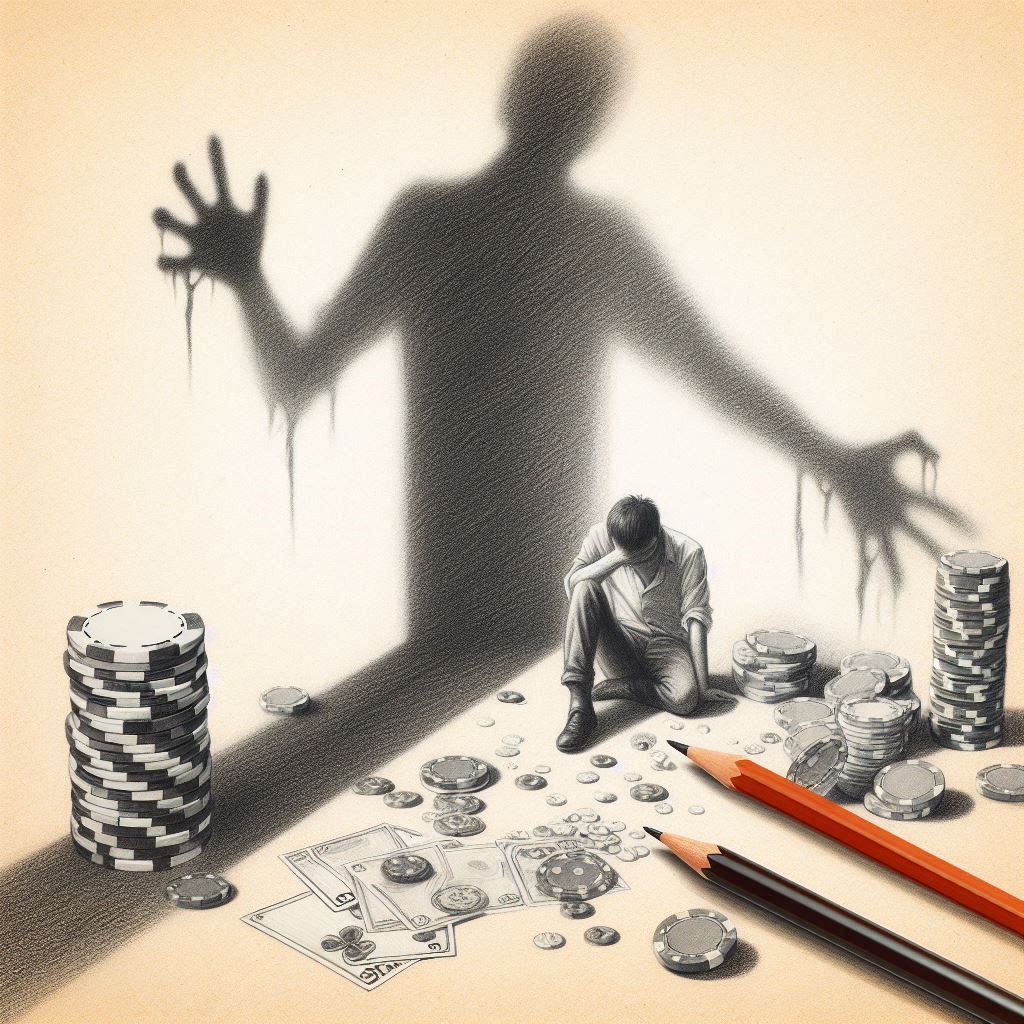
Gambling Disorder (GD) is a condition characterized by a gambler’s inability to control their behavior, despite negative consequences. This disorder has global prevalence rates ranging between 0.12% to 5.8%, with rising numbers of youths in Africa experiencing gambling-related issues such as financial difficulties, family breakdowns, domestic violence, and mental health disorders like depression, anxiety, and stress.
First recognized as a psychiatric disorder in 1980, Gambling Disorder was initially categorized as “pathological gambling” in the third edition of the Diagnostic and Statistical Manual of Mental Disorders (DSM), under impulse control disorders. By 2013, it was reclassified as a “substance-related and addictive disorder,” placing it in the same category as alcohol and drug addictions. Many of the diagnostic criteria for Gambling Disorder—such as tolerance, withdrawal, and failed attempts to quit—mirror those found in drug addiction.
The impact of Gambling Disorder extends beyond the individual, deeply affecting their family and community. Families often report increased conflict, financial instability, and a sense of betrayal due to the lies and deception common among problem gamblers. Additionally, individuals suffering from gambling disorder may resort to borrowing money, which can lead to legal or illegal debts, further exacerbating their stress. These financial pressures may cause other harmful behaviors such as alcohol and drug abuse, and most concerning, suicidal ideation.
The Link Between Gambling and Suicide
Several international studies have demonstrated a clear connection between gambling and suicide, particularly suicidal ideation and attempts. However, research specific to Africa has been limited. A recent study conducted between 2014 and 2021 focused on East African countries, and the findings were alarming. Among the 18 reported gambling-related suicides, 10 were from Kenya, followed by 7 from Uganda, and 1 from Tanzania. Notably, all victims were male and under the age of 40, with most suicides linked to betting on soccer matches, especially during major events like the 2018 World Cup and the 2016 European Championship.
Researchers attributed these suicides to the aggressive marketing of betting during major sporting events. In East Africa, where soccer is a popular pastime, continuous advertisements normalize gambling, which can push vulnerable individuals over the edge, particularly after substantial financial losses.
Suicide: A Pressing Public Health Crisis in Kenya
Suicide remains a global health concern, and in Kenya, it is further complicated by outdated laws that criminalize suicide attempts. According to Section 226 of the Kenyan Penal Code, anyone attempting to take their own life is guilty of a misdemeanor. This law not only prevents individuals from seeking help but also adds to the stigma around mental health issues.
Statistics reveal that mental health issues, including Gambling Disorder, are a significant contributing factor to suicide in Kenya. The majority of people affected by problem gambling are young men under 40, with a particular concentration in the 18-25 age group, according to a 2018 GeoPoll study. The Kenya National Commission on Human Rights (KNCHR) also reported that 1,442 suicide attempts were recorded between 2015 and 2018, though this number is believed to be much higher due to underreporting. The rising cases of suicide in Kenya are linked to mental health challenges driven by economic hardships, social breakdown, and a lack of support systems.
The Role of Mental Health in Gambling-Related Suicides
The connection between gambling disorder and suicide is multifactorial. Chronic poverty, social isolation, and family dysfunction, all exacerbated by gambling addiction, often lead to a sense of hopelessness in individuals. Without adequate mental health support, many people suffering from Gambling Disorder see suicide as their only way out.
Data from the World Bank shows that Kenya’s suicide mortality rate is 6.1 per 100,000 people, with men being disproportionately affected at a rate of 9.1 per 100,000. In many cases, people struggling with gambling addiction feel ashamed, isolated, and unable to seek help, largely due to a lack of awareness and societal understanding of Gambling Disorder as a treatable mental health issue.
Moving Forward: Raising Awareness and Providing Treatment
This article has highlighted the urgent need to raise awareness about the link between Gambling Disorder and suicide, particularly in the aftermath of Suicide Prevention Month. As a society, we must break the stigma surrounding mental health and gambling addiction. Education, intervention, and access to treatment are crucial in saving lives.
By increasing public awareness and ensuring that gambling is recognized as a serious mental health issue, we can encourage more people to seek help before it is too late. Additionally, targeted research into gambling-related suicides in Kenya and other African countries is necessary to understand the full scope of the problem and create effective prevention strategies.
Conclusion
As we reflect on Suicide Prevention Month, let’s continue the conversation about the dangers of gambling addiction and its link to suicide. Early intervention and supportive care are critical in preventing these tragic outcomes. Together, we can save lives by raising awareness, offering compassionate support, and pushing for better mental health services for those in need.