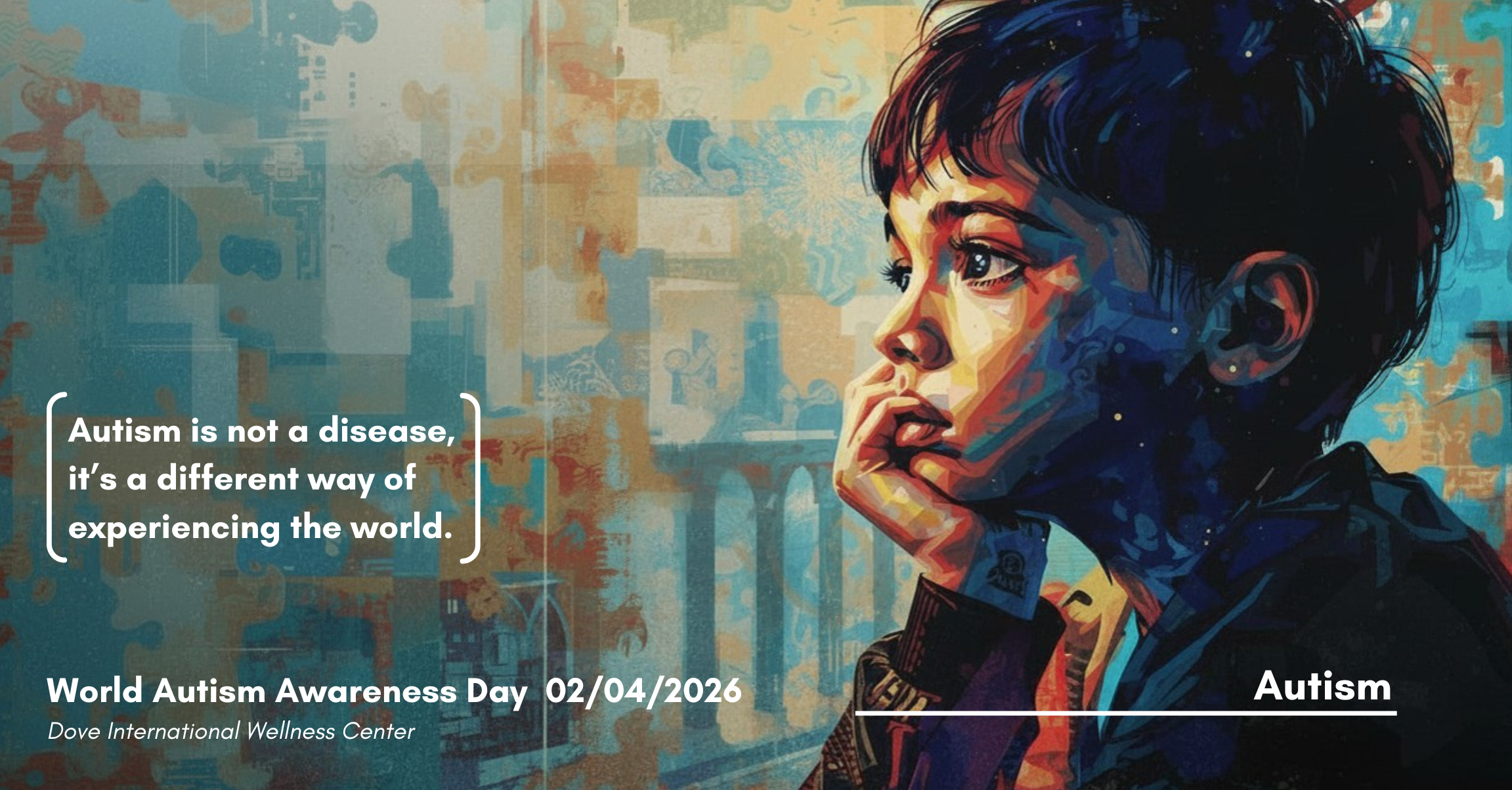
Victor was born in a normal family setup. Parents were happy to get a newborn. A celebration similar to a common African household getting a bouncing baby boy. He was kissed and loved. He breastfed well and was a very active newborn. All the vaccinations were done, and Victor was kicking healthy. About his second birthday year Victor’s parents started to note some distinct differences in him from other children. He had trouble with speech and response when his name was mentioned. He also could just be holding toys, throwing them away, getting them back, and doing the same over and over. Victor was also too clingy to anyone, which was likely not a common trait of a child towards a stranger.
This raised his parents’ concerns, and due to some cultural beliefs, his father sought some help from a herbal medicine man who offered different kinds of concoctions to help heal him. They tried this for one year, but Victor was not getting any better. They resorted to traditional spiritual healers. All this time, Victor’s parents had not thought of a psychiatric assessment. This was exacerbated by culture. It wasn’t until his mother got to consult a local pharmacist, who told her to take Victor to a specialist.
Victor was later diagnosed with Autism. His parents were called and informed about the onset and management plan. In his fifth year, Victor was taken into a special school and was under regular monitoring for comorbidities.

It is important to note that Autism is not an illness to be “cured”, but a lifelong condition. Many people with autism live independent, fulfilling lives, especially with support.
Support & Treatment
While there is no cure, support can help improve functioning:
Behavioural therapies (e.g., **Applied Behaviour Analysis)
Speech and language therapy
Occupational therapy
Autism is also viewed as part of neurodiversity, meaning it represents natural variation in how the brain works, not just a disorder.
By Oliver Tambo
Psychologist