
Choosing where to trust your mental health, or a loved one’s, isn’t a decision anyone takes lightly. It matters who’s in the room, how the care is structured, and whether the place actually understands the messy, overlapping nature of what people are going through. Over more than a decade, Dove International Wellness Centre has built its reputation in Kenya and internationally around getting that part right. Here’s what actually sets it apart, and why the approach lines up with what mental health research says works.

A Decade of Purpose-Built Care
Dove International Wellness Centre started in 2013 with a clear purpose: deliver quality mental health and neurological care to people globally, not just within Kenya’s wealthier urban centres. That founding intent still shapes how the centre runs today. Its team spans psychiatrists, neurologists, medical officers, therapists, addiction and trauma specialists, and spiritual care professionals, all working under one roof rather than as separate referral points.
That kind of breadth is genuinely uncommon, and it’s the foundation for everything below.
- It Treats the Whole Picture, Not Just One Diagnosis
Addiction rarely shows up alone. It’s often tangled up with depression, anxiety, or trauma, feeding into each other in a cycle that’s hard to break from either side. This is what clinicians call a dual diagnosis, or co-occurring disorder, and it’s far more common than most people assume. Research suggests roughly half of people who experience a substance use disorder in their lifetime will also face a mental health condition, and vice versa (Cleveland Clinic). Treating only one side of that equation tends to leave the door open for the other to pull someone back.

During training at Dove International Wellness Centre
Dove treats both together, in one coordinated plan, rather than shuttling clients between separate providers for each issue, an approach that matches what the clinical literature recommends for co-occurring conditions (Psychiatry Online / APA Publishing).
- Care That’s Actually Personalised, Not Just Labelled That Way
“Holistic” gets used loosely in wellness marketing, so it’s worth being specific about what it means at Dove. Every plan draws on psychiatric assessment, evidence-based psychotherapy (CBT, DBT, trauma-focused work, family and group therapy), medication management where needed, and complementary practices like yoga, meditation, and art therapy, coordinated as one plan rather than offered as a menu of disconnected services.
- Aftercare That Doesn’t Stop at Discharge
A lot of treatment programs quietly treat discharge as the finish line. Dove doesn’t. Structured follow-up and relapse-prevention support continue after a client leaves, aimed at catching early warning signs before they become a crisis rather than reacting after one happens.
- Families Are Part of the Plan, Not Bystanders to It
This is one area where the research is unusually consistent: across multiple studies, involving family members in mental health treatment has been linked to fewer relapses, better medication adherence, and fewer hospital readmissions compared with treatment that leaves families out entirely (scoping review, International Journal of Environmental Research and Public Health). Family involvement has also been tied to stronger emotional resilience and better long-term outcomes more broadly (research on family involvement in recovery).
Dove builds this into its model directly, equipping families to recognise early warning signs and stay actively involved, rather than treating recovery as something that happens to one person in isolation.

Specialists from Dove during an outreach
- One Team, Start to Finish
Because psychiatrists, neuropsychiatrists, counsellors, and behavioural health specialists work as a single team, clients rarely get bounced between unconnected providers mid-treatment. The same people who do the initial assessment tend to be involved in long-term follow-up too, continuity that’s easy to promise and harder to actually deliver.
- Multiple Facilities, Each Serving a Different Need
Dove operates across three locations in and around Nairobi, and two of them currently serve distinct client groups:

Karen 2 facility for the ladies.
Karen I, Along Kwarara Road, Karen. Set in one of Nairobi’s quieter, greener suburbs, this facility currently serves male clients, with the calm surroundings supporting focused, low-stimulation recovery.
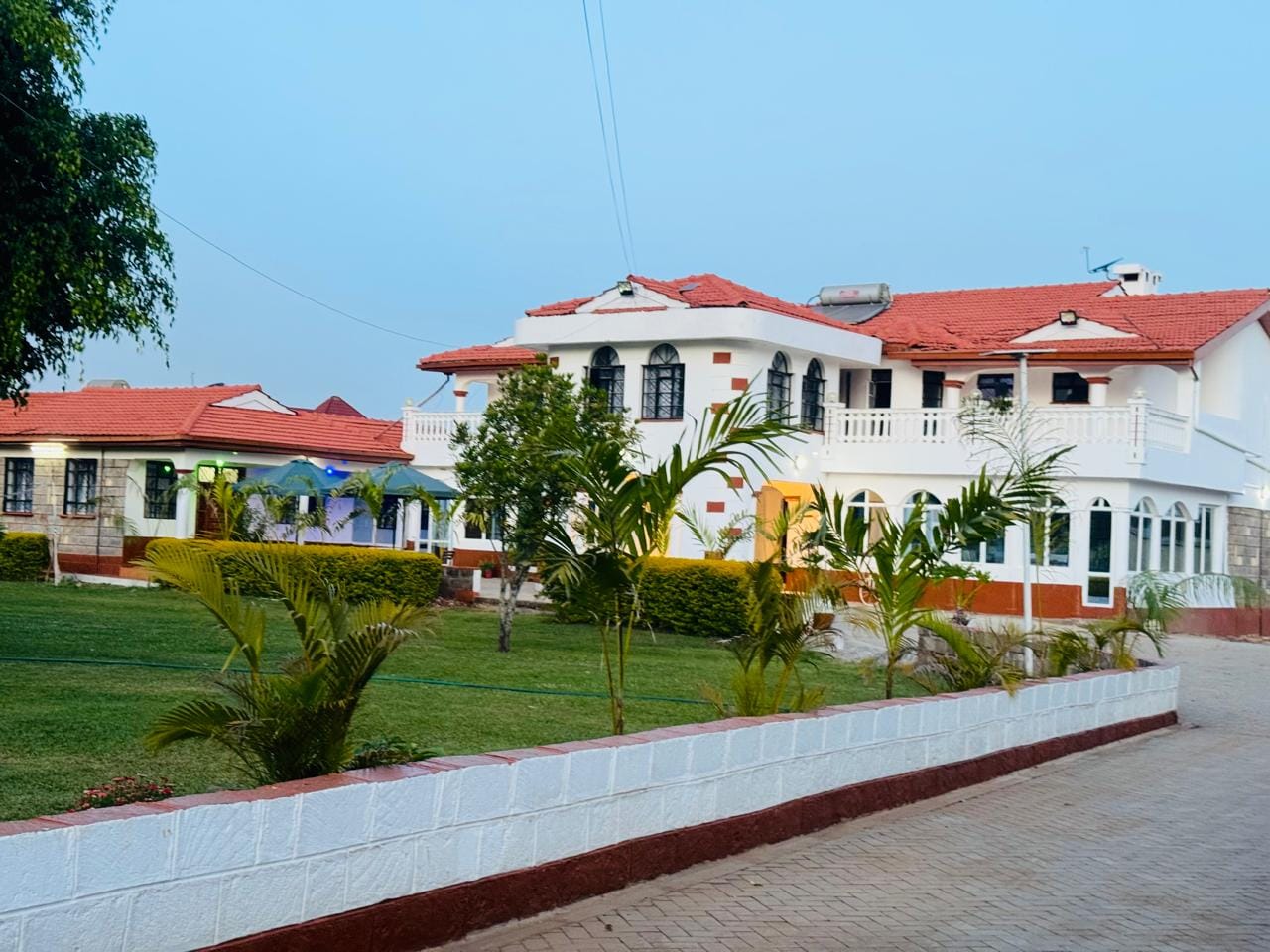
Karen II, Galleria, along Mokoyeti West Road, off Langata Road. This location currently serves female clients specifically, in a setting designed around their needs, while its position near the Langata corridor makes it accessible for clients coming from that side of the city.
Kikuyu, Near Alliance High School, Rungiri Road. Further along the Nairobi–Naivasha corridor, this branch extends care to clients from Kikuyu, Kiambu, and surrounding areas who’d otherwise face a long commute for treatment.
Having separate, gender-specific spaces alongside a third general-access location isn’t just about capacity, it reflects an understanding that comfort and safety in treatment settings can look different depending on who’s walking through the door.

Kikuyu Branch
- Accessible Through Major Insurance Providers
Cost is one of the biggest, quietest barriers standing between people and mental health care, and Dove has worked to close that gap rather than leave it to chance. The centre works with a wide range of insurance providers, including
- Madison Insurance,
- Britam,
- CIC,
- MUA,
- SHA, and
- Jubilee,
meaning care doesn’t have to depend entirely on out-of-pocket payment. That matters more than it might seem: when treatment is gated behind cost alone, people tend to delay reaching out until things have already gotten harder than they needed to.

Kenya Airways on Employee Assistant Trainings
- A Track Record That Extends Beyond the Clinic Walls
Dove has partnered with national institutions on mental health training and advocacy, including work with government departments, the kind of credibility that’s earned over years, not claimed overnight. Its Employee Assistance Programs have brought mental health support directly into major organisations, including
- Safaricom,
- Kenya Airways
- Kenya Police,
- The Judiciary
alongside others, carrying clinical standards into workplaces where people spend the bulk of their lives, not just into a facility they’d have to seek out on their own.

Community outreach with the Rotary
Community outreach extends that reach further still, with programs run in Wangige and Kingero in Kiambu County, bringing mental health education and support directly into communities rather than waiting for people to find their way to a clinic.
This lines up with where global mental health policy has been heading for years. The World Health Organisation has long pushed for care that lives closer to where people actually are, work, school, community, rather than being locked away in institutions, arguing that this kind of accessible, community-rooted care leads to better recovery outcomes and fewer human rights concerns than institutional models alone (WHO).
- Mental Wellness as a Shared Responsibility
What ties all of this together is a belief that mental health isn’t a private burden to carry alone, it’s something communities need to hold together. Through outreach programs like the ones in Wangige and Kingero, workplace initiatives, school-based education, and open conversations on topics like grief, addiction, and men’s mental health, Dove pushes that idea well past its facility walls.

Brain & Mind Mental Health Workshops with the Judiciary
The Bottom Line
No single service explains why Dove has earned its reputation. It’s the combination, genuine dual-diagnosis care, integrated (not siloed) treatment, aftercare that actually continues, family involvement backed by evidence, and a presence that reaches beyond the clinic, all delivered by one team that stays with clients through the whole process. For anyone looking for care that treats the person and not just the condition, that combination is genuinely hard to find elsewhere.
To learn more or book an appointment, visit doveinternational.co.ke or contact the team directly.
Sources: Dove International Wellness Centre · Cleveland Clinic · Psychiatry Online · International Journal of Environmental Research and Public Health · PMC / Danish psychiatric hospitals study · World Health Organization