


The biopsychosocial model of mental health is a comprehensive way of understanding mental health that looks at how biological, psychological, and social factors interact to influence a person’s wellbeing.
It was introduced by George L. Engel as an alternative to purely medical models that focused only on biology. At its core, the model says that Mental health is not caused by one single factor, but by the interaction of multiple systems. Instead of asking “What disease does this person have?”, it asks, what is happening in their body? What is happening in their mind? and What is happening in their environment?
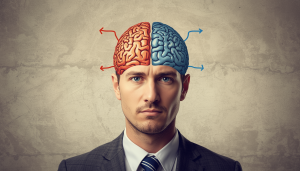
The Three Components
- Biological Factors
These are physical and physiological influences on mental health. The physiological indicators can be noticed in different dimensions like, genetics forming part of family history and looking at symptoms of previous mental health concerns like depression and schizophrenia in the family. We also have brain chemistry chemicals like neurotransmitters for example, serotonin and dopamine affect reactions, feeling and general behaviors. Someone with low serotonin levels may be more vulnerable to depression. Furthermore, medical conditions for example thyroid disorders impact on mental health. Other factors include, substance use (alcohol, drugs) and sleep and nutrition
- Psychological Factors
These involve thoughts, emotions, and behaviors. This pattern is affected by core beliefs and schemas, coping skills, trauma history, personality traits and cognitive distortions. For example, a person who believes “I am worthless” may develop depression after stress. Those who experience traumatic past are at a higher risk of developing PTSD as well.
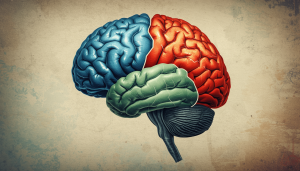
- Social Factors
These entails environmental and relational influences like family relationships, culture and beliefs, socioeconomic status, social support and life stressors like losses or unemployment can increase anxiety and depression risk.
The model works with the key idea of interaction and not separation. Genetical vulnerability, negative thinking patterns and job loss can increase the likelihood of depression more than any single factor alone. This model is applied in clinical use to create a case formulation, treatment planning and identifying strengths and weaknesses. Visit Dove International Wellness Center to learn more.
By Psychologist: Oliver Tambo

1 Comment
333985
May 15, 2026, at 12:52 amwish you all the best