

Substance use and mental health disorders share a complex and deeply interconnected relationship. Psychoactive substances such as alcohol, cannabis, opioids, stimulants, hallucinogens, and sedatives can both worsen pre-existing psychiatric conditions and independently induce mood disorders or psychotic symptoms. In many cases, substance use masks underlying emotional distress initially, but over time contributes to significant psychological deterioration.
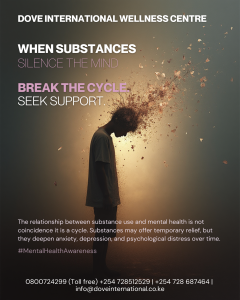
Individuals with existing mental health disorders are often more vulnerable to substance misuse as a form of self-medication. A person struggling with anxiety may rely on alcohol for temporary relief, while someone experiencing depression may turn to stimulants in an attempt to improve energy and mood. Although substances may provide short-term symptomatic relief, repeated use alters brain chemistry, emotional regulation, cognition, and behavioral control. This frequently leads to worsening psychiatric symptoms, impaired functioning, and increased risk of relapse.
Substances can significantly exacerbate disorders such as depression, bipolar disorder, schizophrenia, anxiety disorders, and personality disorders. Alcohol, for instance, is a central nervous system depressant that may intensify depressive symptoms, suicidal ideation, irritability, and impulsivity. Cannabis, particularly high-potency strains, has been associated with increased risk of paranoia, hallucinations, and psychosis, especially among genetically vulnerable individuals. Stimulants such as cocaine and methamphetamine may induce severe anxiety, agitation, manic episodes, and substance-induced psychotic disorders characterized by delusions and hallucinations.
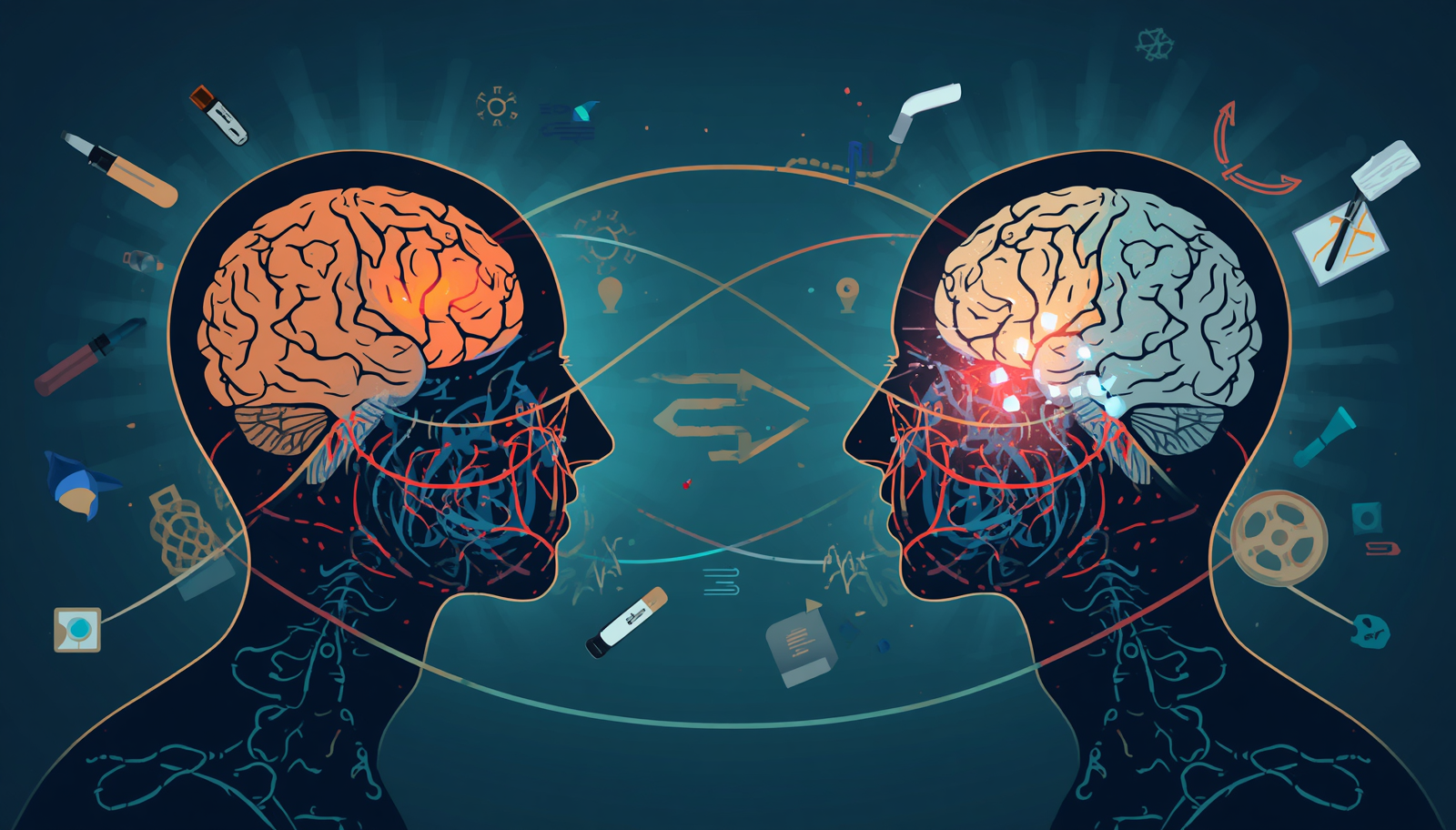
The evolution of substance-related psychiatric illness often follows a progressive trajectory. Initial use may begin recreationally or socially, with minimal perceived harm. As tolerance develops, the individual increases frequency and quantity of use to achieve the same psychological effect. Over time, neurochemical changes occur within dopamine, serotonin, and reward pathways of the brain, impairing judgment, emotional stability, and impulse control. Persistent use may eventually lead to chronic mood disturbances, cognitive impairment, psychotic symptoms, occupational dysfunction, social isolation, and deterioration in physical health. In severe cases, distinguishing between primary psychiatric disorders and substance-induced conditions becomes clinically challenging.
Early intervention remains critical in preventing long-term psychiatric complications. Comprehensive assessment should include detailed psychiatric history, substance use patterns, family history, psychosocial stressors, and risk assessment. Integrated treatment approaches addressing both substance use and mental health simultaneously tend to produce better outcomes than treating either condition independently.

Effective interventions include detoxification and medically supervised withdrawal management where necessary, followed by psychotherapy such as Cognitive Behavioral Therapy (CBT), Motivational Interviewing (MI), relapse prevention therapy, and psychoeducation. Pharmacological treatment may be indicated for mood stabilization, psychosis, anxiety, or cravings. Family therapy and support groups also play a significant role in recovery by strengthening social support systems and reducing stigma.
Prevention and rehabilitation efforts should emphasize early screening, public awareness, coping skills development, and community-based mental health support. Recovery is often gradual and requires sustained multidisciplinary care, but with appropriate intervention, individuals can achieve improved psychological stability, sobriety, and overall quality of life.
By Addiction advocate – Michael Ondachi (Dove)

1 Comment
General inquiry
June 02, 2026, at 1:07 pmHi, I’d like to receive a quote for your services and understand the typical timeline. Looking forward to your response. Have a great day!